

Dental Implant Recovery Timeline: What Happens Day by Day
Dental implants are a reliable, long-term solution for replacing missing teeth—but many patients want to know what recovery actually looks like. Understanding the dental implant recovery timeline can help you feel prepared, reduce anxiety, and ensure a smoother healing process.
In this guide, we’ll break down what happens day by day after your dental implant procedure, including symptoms, healing stages, and tips to speed up recovery.
What to Expect After Dental Implant Surgery
Before diving into the timeline, it’s important to understand that recovery varies from person to person. Factors like overall health, the number of implants placed, and whether bone grafting was required can all influence healing time.
That said, most patients follow a similar pattern of recovery, especially in the first two weeks after surgery.
Day 1: The First 24 Hours After Surgery
The first day is all about protecting the surgical site and allowing your body to begin healing.
Common Symptoms
Numbness from anesthesia (lasting several hours)
Mild bleeding at the implant site
Swelling in the gums and face
Minor discomfort or soreness
What You Should Do
Rest and avoid strenuous activity
Bite gently on gauze to control bleeding
Apply ice packs in 10–15 minute intervals
Stick to liquids or very soft foods
It’s crucial to avoid touching the implant area with your tongue or fingers, as this can disrupt early healing.
Days 2–3: Peak Swelling and Discomfort
This is typically when swelling and discomfort reach their highest point—but don’t worry, this is completely normal.
What You May Feel
Increased swelling around the cheeks or jaw
Bruising near the implant site
Moderate soreness
Slight difficulty opening your mouth fully
Helpful Tips
Continue using ice packs if swelling persists
Take prescribed or over-the-counter pain relief
Eat soft foods like yogurt, mashed potatoes, and soup
Stay hydrated
Most patients find that discomfort during this stage is manageable and improves quickly afterward.
Days 4–7: Noticeable Improvement
By the middle of the first week, you should start feeling significantly better.
Signs of Healing
Reduced swelling and bruising
Less pain and tenderness
Improved ability to eat and speak normally
Care Recommendations
Gradually reintroduce soft solid foods
Maintain gentle oral hygiene
Avoid chewing directly on the implant site
If stitches were placed, your dentist may remove them around this time or they may dissolve on their own.
Week 2: Returning to Normal
At this stage, most visible signs of surgery have faded, and daily life begins to feel normal again.
What to Expect
Minimal to no pain
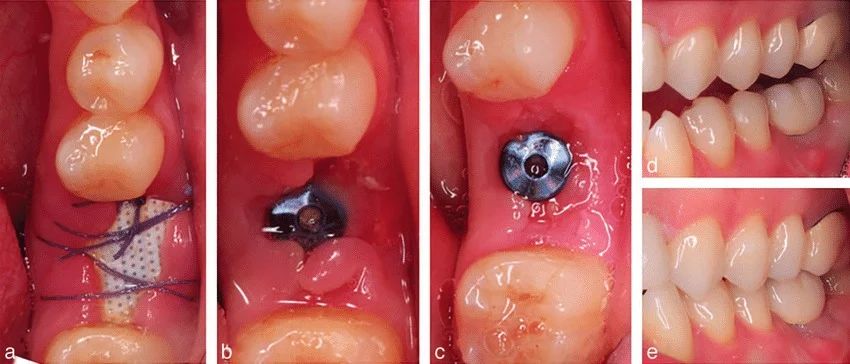
Gums healing around the implant
Normal eating (with some caution)
What to Keep in Mind
Even though you feel better, the implant is still integrating with your jawbone beneath the surface. Avoid hard or crunchy foods that could put pressure on the area.
Weeks 3–6: Deep Healing Begins
While the surface may look healed, the most important part of the process is happening internally.
Osseointegration Explained
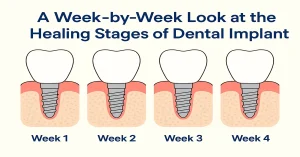
During this phase, the implant fuses with your jawbone in a process called osseointegration. This creates a stable foundation for your new tooth.
Patient Experience
No noticeable pain
Normal daily activities
Continued healing beneath the gums
Regular check-ups may be scheduled to monitor progress.
Months 2–6: Full Integration Period
This stage is critical for long-term success.
What’s Happening
The implant fully bonds with the bone
The jaw strengthens around the implant
The site becomes stable and secure
What You Should Do
Maintain excellent oral hygiene
Attend follow-up appointments
Avoid habits like smoking, which can slow healing
Once your dentist confirms successful integration, the final crown can be placed.
Final Step: Placing the Crown
After healing is complete, your permanent crown is attached to the implant.
What It Feels Like
No pain during placement
Immediate improvement in appearance and function
A natural feel similar to a real tooth
This marks the final stage of your dental implant journey.
Tips for a Faster and Smoother Recovery
While healing follows a natural timeline, there are ways to support your body throughout the process.
Follow Your Dentist’s Instructions
Always stick to the aftercare plan provided. It’s tailored to your specific procedure and needs.
Eat a Healing-Friendly Diet
Focus on nutrient-rich, soft foods that promote tissue repair, such as:
Smoothies
Scrambled eggs
Avocados
Soft fruits
Avoid Risk Factors
Smoking, alcohol, and poor oral hygiene can delay healing and increase the risk of complications.
When to Contact Your Dentist
Although most recoveries are smooth, you should be aware of warning signs.
Seek Professional Advice If You Notice:
Persistent or worsening pain after a week
Excessive swelling or bleeding
Signs of infection (fever, pus, bad taste)
A loose or shifting implant
Early intervention can prevent more serious issues.
How Long Does Full Recovery Take?
While initial healing takes 1–2 weeks, complete recovery—including bone integration—can take several months.
Quick Timeline Recap
Days 1–3: Swelling and discomfort
Days 4–7: Improvement begins
Week 2: Mostly healed externally
Weeks 3–6: Internal healing continues
Months 2–6: Full integration
Patience during this process ensures the best long-term results.
Final Thoughts: A Temporary Process for a Permanent Solution
The dental implant recovery timeline may seem lengthy, but most of the noticeable discomfort only lasts a few days. With proper care and guidance, recovery is straightforward and manageable.
Understanding what happens day by day allows you to plan ahead, reduce stress, and feel confident in your decision. In the end, the short recovery period leads to a durable, natural-looking smile that can last for decades.