

Do Dental Implants Hurt? What the Procedure Really Feels Like
Dental implants are one of the most effective and long-lasting solutions for replacing missing teeth. Yet one question stops many people from taking the next step: Do dental implants hurt?
It’s a fair concern. After all, the idea of placing a metal post into your jaw sounds intense. But the reality is far less scary than most people imagine. In this guide, we’ll walk you through exactly what the dental implant procedure feels like—from the moment you sit in the chair to full recovery—so you know what to expect.
Understanding the Dental Implant Procedure
Before we talk about pain, it helps to understand what actually happens during a dental implant procedure.
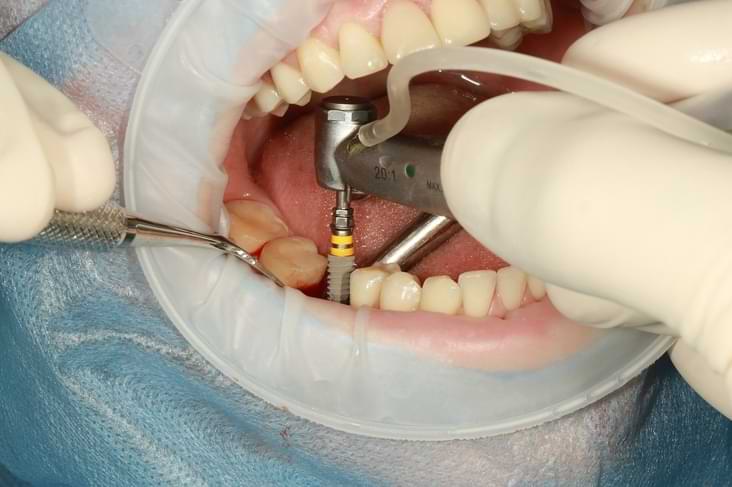
A dental implant is a small titanium post that is surgically placed into your jawbone to act as an artificial tooth root. Over time, it fuses with your bone in a process called osseointegration. Once healed, a crown is attached to create a natural-looking tooth.
Key Stages of the Procedure
Initial consultation and planning
Implant placement surgery
Healing period (osseointegration)
Placement of the crown
Each stage comes with different sensations, but most patients are surprised by how manageable the process is.
Do Dental Implants Hurt During the Procedure?
The short answer: No, you should not feel pain during the procedure.
Dentists use local anesthesia to completely numb the treatment area. This means you may feel pressure or slight movement, but not pain.
What You Actually Feel in the Chair

During the implant placement, patients commonly report:
A feeling of pressure (similar to a tooth extraction)
Mild vibrations from dental tools
No sharp or intense pain
For patients with dental anxiety, sedation options are often available. These can range from mild oral sedatives to IV sedation, helping you stay relaxed throughout the procedure.
Does It Hurt After the Dental Implant Surgery?
This is where most of the discomfort occurs—but even then, it’s usually mild to moderate.
Once the anesthesia wears off, you may experience:
Soreness around the implant site
Minor swelling of the gums or face
Slight bruising
Tenderness when chewing
For most people, this discomfort is comparable to having a tooth removed.
How Long Does the Pain Last?
First 24–72 hours: Peak discomfort and swelling
3–7 days: Noticeable improvement
1–2 weeks: Most soreness disappears
Any lingering pain beyond this timeframe should be checked by your dentist, as it may indicate complications.
Pain Levels: Dental Implants vs Other Dental Procedures
Many patients assume implants are the most painful dental treatment—but that’s not typically the case.
Comparison of Common Procedures
Tooth extraction: Often more uncomfortable than implants
Root canal: Similar or slightly more intense
Dental implant: Generally mild to moderate discomfort
Because the procedure is carefully controlled and planned, it often results in less trauma to surrounding tissues than emergency dental work.
Tips to Minimise Pain and Speed Up Recovery
While some discomfort is normal, there are several ways to make your recovery as smooth as possible.
Follow Post-Procedure Instructions
Your dentist will give you detailed aftercare guidelines. These may include:
Taking prescribed or over-the-counter pain medication
Applying ice packs to reduce swelling
Avoiding hard or crunchy foods
Stick to Soft Foods
For the first few days, focus on foods like:
Yogurt
Mashed potatoes
Smoothies
Soup
This reduces pressure on the implant site and helps healing.
Maintain Good Oral Hygiene
Keeping the area clean is essential, but be gentle. Use a soft-bristled toothbrush and follow your dentist’s advice on rinsing.
What Pain Is Not Normal?
While mild discomfort is expected, certain symptoms may signal a problem.
Contact Your Dentist If You Experience:
Severe or worsening pain after several days
Excessive swelling or pus
Fever
Implant feeling loose
These signs could indicate infection or implant failure, which require prompt attention.
Why Dental Implants Are Worth It Despite the Discomfort
Even with a short recovery period, dental implants offer long-term benefits that far outweigh the temporary discomfort.
Key Advantages
Permanent and durable solution
Natural look and feel
Improved chewing and speech
Prevention of bone loss in the jaw
Unlike dentures, implants don’t shift or require adhesives, making them a more comfortable option in the long run.
Common Myths About Dental Implant Pain
Misinformation often makes the procedure seem scarier than it really is.
Myth 1: It’s Extremely Painful
Most patients report less pain than expected and say the anticipation was worse than the procedure.
Myth 2: Recovery Takes Months of Pain
Healing takes time, but the discomfort typically fades within a week or two.
Myth 3: You’ll Be Out of Action for Weeks
Many people return to normal activities within a day or two.
Final Thoughts: Should You Be Worried About Pain?
Dental implants might sound intimidating, but the reality is far more manageable than most people expect. Thanks to modern techniques and anesthesia, the procedure itself is virtually pain-free, and recovery discomfort is usually mild and temporary.
If fear of pain has been holding you back, it may be time to reconsider. With proper care and a skilled dental professional, getting dental implants can be a smooth and comfortable experience—leading to a healthier, more confident smile for years to come.