

Sealants: Small Steps, Big Protection for Your Teeth
Dental sealants are one of the simplest yet most effective preventive treatments in dentistry. They act as a protective shield for teeth, preventing cavities and decay, especially in children and teenagers. Despite their importance, many people are unaware of how sealants work or why they are essential. This guide will explain everything you need to know about sealants, from their benefits and application process to who can benefit most.
What Are Dental Sealants?
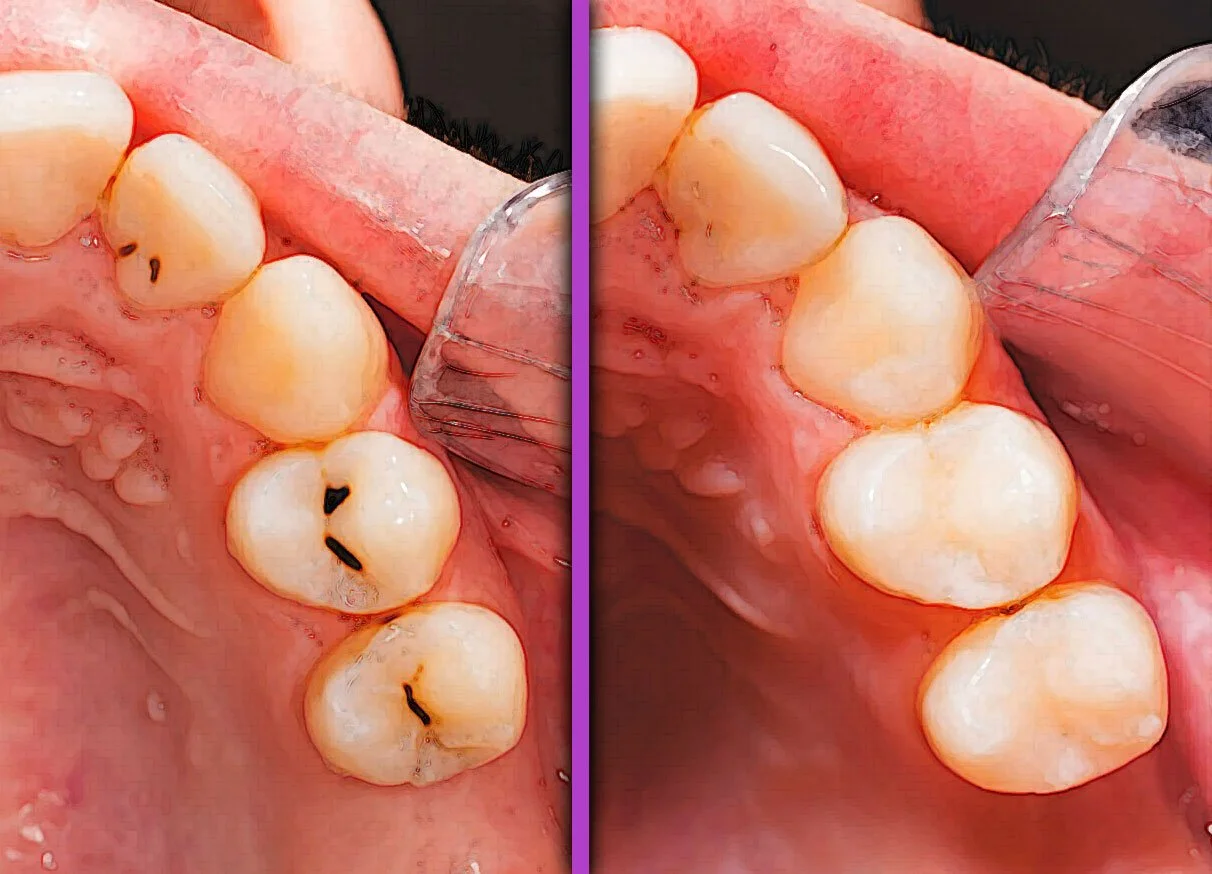
Dental sealants are thin, protective coatings applied to the chewing surfaces of the back teeth, particularly molars and premolars. These teeth are prone to cavities because of their grooves and pits, where food particles and bacteria can easily accumulate. Sealants create a smooth surface, making it harder for bacteria to cling to the tooth and cause decay.
How Sealants Work
Sealants fill the grooves and depressions in teeth, creating a barrier against bacteria and acids.
They prevent plaque buildup in hard-to-clean areas, reducing the risk of cavities.
The protective coating is usually made from a resin material that bonds to the enamel.
Who Can Benefit from Sealants?
Children and Teenagers: Molars that emerge around ages 6 and 12 are particularly vulnerable to cavities.
Adults at Risk: Adults with deep grooves or a history of cavities can also benefit from sealants.
People with Poor Oral Hygiene: Sealants provide extra protection where brushing and flossing may not reach effectively.
The Benefits of Dental Sealants
Sealants may seem like a small step, but their impact on oral health is significant.
Effective Cavity Prevention
Studies show that sealants can reduce the risk of decay in treated teeth by up to 80%.
They act as a barrier, stopping bacteria from reaching enamel and dentin.
Cost-Effective Dental Care
Sealants are a preventive measure, meaning they help avoid costly fillings or more extensive dental procedures in the future.
Early application in children can save families money on cavity treatments over time.
Painless and Quick Application
Applying sealants is non-invasive and completely painless.
The process typically takes only a few minutes per tooth, with no drilling or anesthesia required.
Long-Lasting Protection
Sealants can last for several years with proper care.
Regular dental checkups ensure that any wear or damage to the sealant is repaired promptly.
The Sealant Application Process
Understanding the process can make patients, especially children, feel more comfortable during treatment.
Step 1: Cleaning the Teeth
The dentist cleans the teeth to remove plaque and debris.
A clean surface ensures that the sealant bonds effectively to the enamel.
Step 2: Preparing the Surface
The tooth is etched with a mild solution to create a slightly rough surface.
This helps the sealant adhere securely to the enamel.
Step 3: Applying the Sealant
The sealant is painted onto the grooves of the teeth.
It spreads into the pits and fissures, covering areas most prone to decay.
Step 4: Curing the Sealant
A special light hardens the sealant within seconds.
The tooth is now protected and ready for normal chewing immediately.
Maintaining Sealants for Maximum Protection
While sealants are durable, proper care ensures they last as long as possible.
Regular Dental Checkups
Dentists check sealants during routine visits to make sure they are intact and effective.
Any chips or wear can be quickly repaired to maintain protection.
Good Oral Hygiene
Brushing twice a day and flossing once a day help prevent cavities in teeth not covered by sealants.
Sealants complement hygiene but don’t replace it.
Avoiding Hard or Sticky Foods
Extremely hard foods or sticky candies can damage or dislodge sealants.
Encourage children and adults to eat tooth-friendly snacks.
Sealants for Children vs. Adults
While sealants are often associated with children, adults can also benefit.
Children and Teenagers
First molars appear around age 6, and second molars appear around age 12.
Applying sealants early can protect these vulnerable teeth during cavity-prone years.
Adults
Adults with healthy teeth but deep grooves can prevent cavities using sealants.
Even older adults with restorations or fillings can benefit from targeted sealant applications.
Common Myths About Sealants
Misunderstandings about sealants sometimes prevent people from taking advantage of this preventive treatment.
Myth 1: Sealants Are Only for Kids
Adults with at-risk teeth can benefit just as much as children.
Myth 2: Sealants Replace Brushing and Flossing
Sealants are a preventive tool but cannot replace daily oral hygiene.
Myth 3: Sealants Are Painful
Sealant application is completely painless, non-invasive, and quick.
Conclusion
Dental sealants are a small step with big protective benefits. They prevent cavities, save money on future dental procedures, and provide long-lasting protection for both children and adults. By understanding the process, maintaining oral hygiene, and attending regular dental checkups, you can maximize the effectiveness of sealants and ensure a healthy, cavity-free smile. Protecting your teeth doesn’t have to be complicated—sometimes, simple preventive steps like sealants make the biggest difference.