

Why Dental Checkups Matter: Protect Your Smile and Health
Regular dental checkups are essential for maintaining a healthy mouth, preventing serious dental problems, and supporting overall health. Many people underestimate the importance of routine visits to the dentist, but these appointments are a key component of preventive care. This guide explores why dental checkups matter, what to expect during visits, and how consistent dental care can help you maintain a strong, healthy smile for life.
Understanding the Role of Dental Checkups
Dental checkups go beyond simply cleaning your teeth. They are comprehensive assessments that allow dentists to identify early signs of problems, provide preventive treatments, and educate patients on maintaining oral health.
Preventive Care vs. Reactive Care
Preventive Care: Focuses on stopping dental issues before they occur. This includes cleanings, fluoride treatments, and oral hygiene guidance.
Reactive Care: Occurs after problems arise, such as fillings for cavities or treatment for gum disease.
Regular checkups emphasize preventive care, which is typically less invasive, less expensive, and more effective than waiting for problems to appear.
Key Benefits of Regular Dental Checkups
Routine dental visits offer a wide range of benefits beyond a sparkling smile.
Early Detection of Cavities
Dentists can identify early signs of tooth decay before it becomes painful or requires extensive treatment.
Early detection allows for minimally invasive procedures, preserving natural teeth.
Prevention and Management of Gum Disease
Plaque and tartar buildup can lead to gingivitis or periodontitis if not addressed.
Professional cleanings remove deposits that brushing and flossing can’t reach.
Early treatment prevents tooth loss and other complications.
Oral Cancer Screening
Dental checkups include screenings for oral cancer, which is more treatable when detected early.
Dentists examine soft tissues, the tongue, and throat for abnormalities.
Maintaining Overall Health
Poor oral health is linked to heart disease, diabetes, and respiratory infections.
Regular dental care reduces bacteria in the mouth, supporting overall wellness.
What Happens During a Dental Checkup
Understanding what occurs during a checkup can help reduce anxiety and encourage regular visits.
Comprehensive Oral Examination
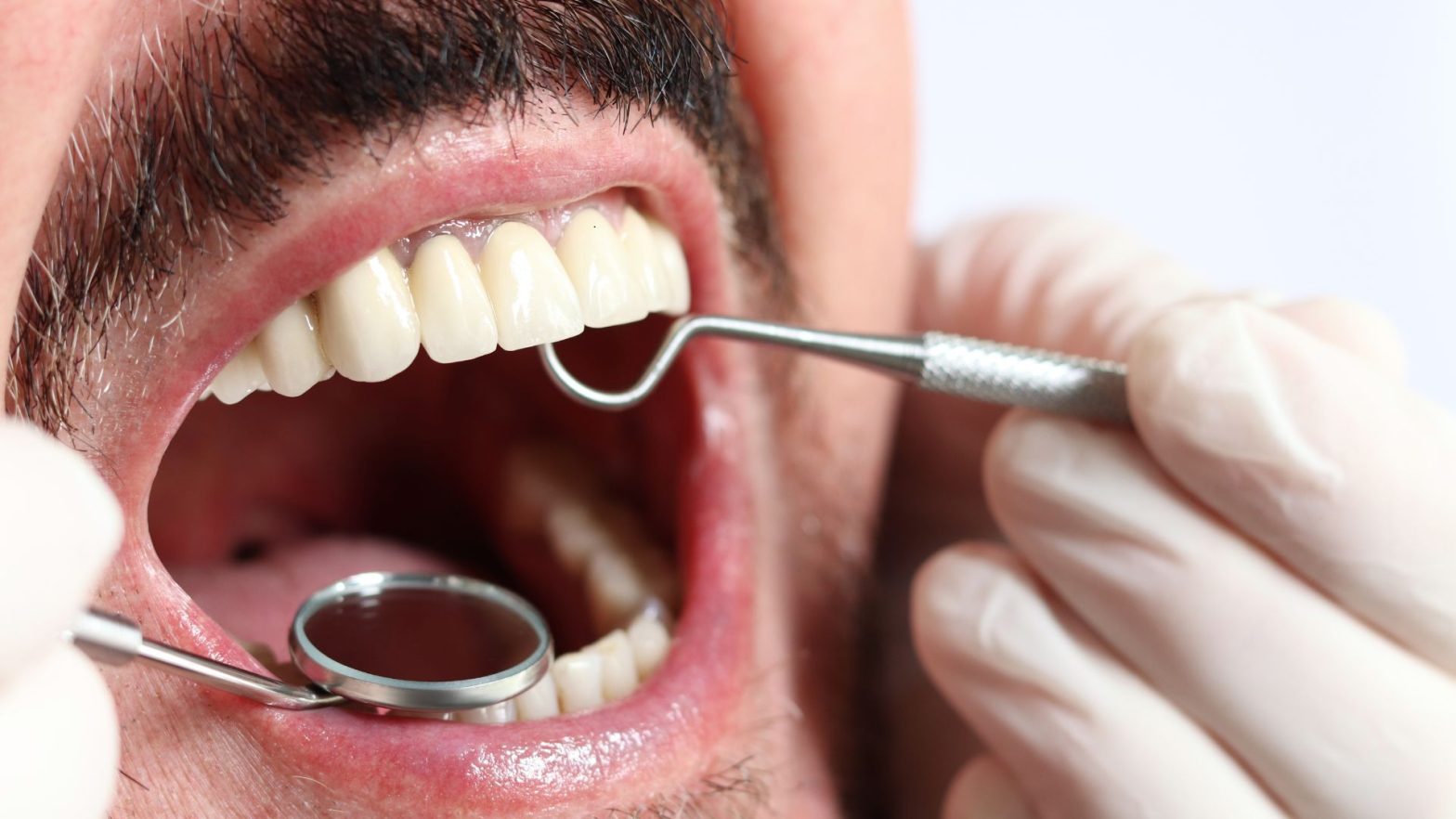
Dentists check teeth, gums, tongue, and soft tissues for signs of decay, disease, or abnormalities.
X-rays may be taken to detect hidden cavities or bone loss.
Professional Cleaning
Removal of plaque, tartar, and stains that brushing and flossing alone cannot eliminate.
Polishing helps smooth teeth surfaces, making it harder for bacteria to accumulate.
Fluoride and Preventive Treatments
Fluoride strengthens enamel and helps prevent decay.
Sealants may be applied, especially for children, to protect molars from cavities.
Oral Hygiene Education
Dentists provide personalized guidance on brushing techniques, flossing, and diet.
Education helps patients maintain results between visits.
How Often Should You Schedule Dental Checkups?
Frequency depends on age, oral health status, and risk factors.
Adults
Most adults benefit from checkups every six months.
Individuals with a history of gum disease or frequent cavities may require visits every three to four months.
Children
Children should start dental visits by their first birthday.
Routine checkups every six months help monitor growth, development, and cavity prevention.
High-Risk Patients
Smokers, people with diabetes, or those with compromised immune systems may need more frequent visits.
Dentists create customized schedules to prevent complications.
Tips for Maximizing the Benefits of Dental Checkups
To get the most out of your dental visits, follow these simple strategies.
Maintain Daily Oral Hygiene
Brush twice daily and floss once daily to minimize plaque buildup.
A clean mouth makes dental exams more effective and comfortable.
Keep a Record of Dental History
Track previous treatments, cavities, or oral issues.
This helps the dentist create a personalized care plan.
Ask Questions During Visits
Inquire about concerns like sensitivity, bad breath, or cosmetic issues.
Understanding your oral health empowers you to make better decisions.
Follow Post-Checkup Recommendations
Follow instructions for at-home care, medications, or follow-up appointments.
Compliance ensures the effectiveness of preventive measures.
Common Myths About Dental Checkups
Many people avoid checkups due to misconceptions.
“If My Teeth Don’t Hurt, I Don’t Need a Checkup”
Pain often appears after problems have progressed.
Checkups detect issues before discomfort arises.
“Dental Visits Are Too Expensive”
Preventive care is generally less costly than treating advanced problems.
Many insurance plans cover routine checkups and cleanings.
“Brushing and Flossing Alone Are Enough”
Home care is essential but cannot remove hardened tartar or detect hidden cavities.
Professional examinations complement daily hygiene.
Conclusion
Dental checkups are far more than a routine cleaning—they are essential for preventing cavities, gum disease, and other oral health issues while supporting overall wellness. By attending regular dental visits, maintaining good oral hygiene at home, and following professional guidance, you can protect your smile and your health for years to come. Remember, prevention is always better than treatment, and consistent checkups are the cornerstone of a healthy, confident smile.