

Kids’ Guide to Cavity-Free Teeth: Tips for a Healthy Smile
Teaching children how to take care of their teeth is one of the most important steps in ensuring lifelong oral health. Cavities are the most common dental problem in children, but they can be prevented with the right habits, nutrition, and dental care. This guide will show parents and kids how to maintain strong, cavity-free teeth naturally, creating a foundation for healthy smiles that last a lifetime.
Understanding Cavities in Children
Cavities, also known as dental caries, occur when bacteria in the mouth produce acids that erode tooth enamel. Children are particularly vulnerable because their teeth are still developing, and they may not yet have mastered proper oral hygiene.
Signs of Cavities in Kids
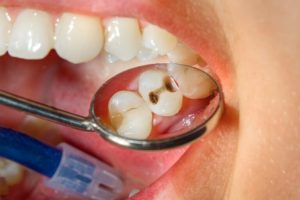
Early detection is key. Parents should watch for:
White or brown spots on teeth
Sensitivity to hot, cold, or sweet foods
Toothache or discomfort
Visible holes or pits in teeth
Bad breath that doesn’t go away
Daily Oral Hygiene for Kids
Proper oral care is the foundation of cavity prevention. Making dental hygiene fun and consistent can help children develop lifelong habits.
Brushing Techniques for Kids
Brush teeth at least twice a day using a soft-bristled toothbrush.
Use a pea-sized amount of fluoride toothpaste.
Teach kids to brush all surfaces of their teeth in gentle circular motions.
Replace toothbrushes every 3 months or sooner if bristles are frayed.
Flossing Made Easy
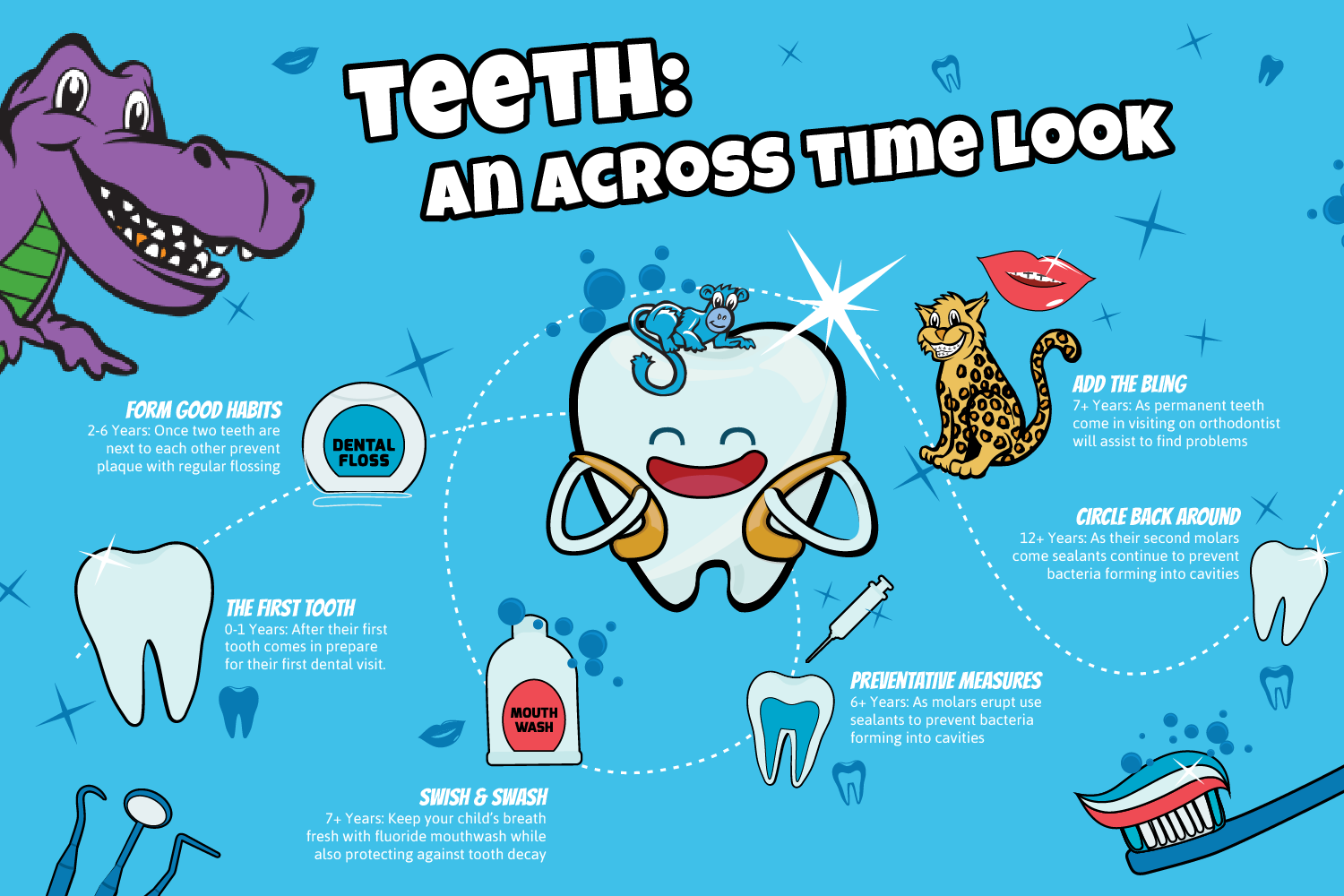
Introduce flossing once children have two teeth that touch.
Use child-friendly flossers to make the process easier.
Flossing removes plaque and food particles between teeth that brushing can’t reach.
Rinsing and Mouthwash
Children over six can use a fluoride mouthwash under adult supervision.
Rinsing after meals helps reduce plaque buildup.
Avoid alcohol-based mouthwashes for younger children.
Nutrition Tips for Cavity-Free Teeth
A healthy diet strengthens teeth and prevents cavities. Certain foods promote enamel health, while others increase the risk of decay.
Foods That Protect Teeth
Dairy products like milk, cheese, and yogurt provide calcium and vitamin D.
Fruits and vegetables supply vitamins and fiber that help clean teeth naturally.
Nuts and seeds offer minerals that support strong enamel.
Water helps wash away sugar and bacteria, and drinking fluoridated water strengthens teeth.
Foods to Limit or Avoid
Sugary snacks, candies, and sodas feed cavity-causing bacteria.
Sticky foods like dried fruits and gummy candies can cling to teeth.
Acidic drinks like fruit juices can erode enamel if consumed excessively.
Fun Ways to Make Oral Care Engaging
Children are more likely to stick to healthy habits if oral care is fun and interactive.
Use Visual Tools
Play educational videos or apps that teach brushing techniques.
Use colorful toothbrushes and timers to make brushing enjoyable.
Reward Systems
Sticker charts for daily brushing and flossing can motivate kids.
Small rewards for consistent dental habits reinforce positive behavior.
Make Dental Visits Exciting
Schedule regular checkups every six months.
Read books or watch videos about friendly dentist visits.
Let children choose their dental hygiene products to increase ownership.
Natural Remedies to Support Oral Health
Some natural practices can complement daily brushing and professional dental care.
Oil Pulling for Kids
A safe oil pulling practice with coconut oil for 5 minutes can help reduce harmful bacteria.
Ensure children spit the oil and rinse thoroughly afterward.
Herbal Toothpaste Options
Toothpaste containing natural ingredients like aloe vera or xylitol can reduce bacteria and strengthen teeth.
These options are often gentler on sensitive young teeth.
Chewing Sugar-Free Gum
Helps increase saliva production, which naturally washes away food and neutralizes acids.
Only use sugar-free varieties recommended for children.
Preventive Dental Treatments
Professional dental care provides additional protection against cavities for children.
Fluoride Treatments
Fluoride strengthens enamel and helps prevent decay.
Dentists may apply fluoride varnish during routine visits.
Dental Sealants
Sealants are a protective coating applied to molars to prevent cavities in hard-to-reach grooves.
Especially useful for children aged 6–12 as permanent teeth emerge.
Regular Checkups
Professional cleanings remove plaque and tartar that home care can’t.
Early detection of cavities allows for minimally invasive treatments.
Teaching Lifelong Habits
Developing good dental habits early ensures a cavity-free smile that lasts into adulthood.
Lead by Example
Children are more likely to follow routines they see parents practicing.
Brush and floss together to make it a family activity.
Educate About Oral Health
Explain why brushing, flossing, and avoiding sugary foods matter.
Use age-appropriate language and fun stories to make the lessons stick.
Consistency is Key
Establishing a routine is more effective than occasional intensive care.
Consistent oral hygiene, healthy eating, and regular dental visits prevent most cavities.
Conclusion
Preventing cavities in children requires a combination of daily oral care, a healthy diet, natural remedies, and regular professional checkups. By creating fun, educational routines and instilling lifelong habits, parents can help their kids maintain strong, cavity-free teeth and develop a positive attitude toward oral health. With the right guidance and consistency, a healthy smile can last a lifetime.