

The Science of Gum Healing: How to Protect Your Smile
Gum health is a cornerstone of overall oral wellness, yet it is often overlooked. Healthy gums not only support strong teeth but also play a crucial role in preventing infections and maintaining a confident smile. Understanding the science behind gum healing and the best practices to protect your gums can help prevent gum disease, reduce sensitivity, and even reverse early-stage damage. This article explores how gums heal, the factors that impact their health, and practical strategies to protect and restore your smile.
Understanding Gum Health
Before diving into healing strategies, it’s important to understand the anatomy of the gums and why they are so vital for oral health.
Gum Anatomy and Function
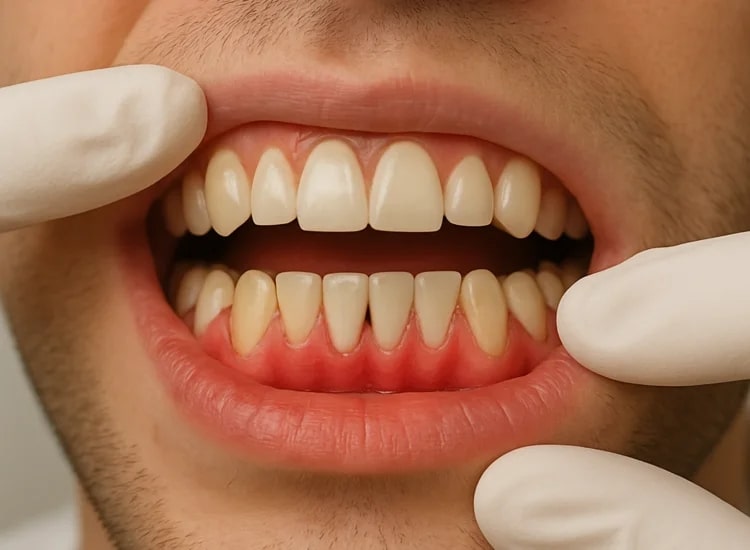
Gums, also known as gingiva, are soft tissues that surround and protect the teeth and underlying bone. They form a seal around teeth to prevent bacteria from entering deeper structures. Healthy gums are firm, pink, and do not bleed easily. When gums are damaged or inflamed, this protective barrier weakens, allowing infections to develop, potentially leading to gum disease and tooth loss.

Causes of Gum Damage
Gum damage occurs due to a combination of lifestyle, environmental, and biological factors:
Plaque and Bacterial Build-Up – The sticky biofilm on teeth contains bacteria that irritate gums.
Gingivitis and Periodontitis – Gingivitis is the early stage of gum disease, while periodontitis is a more severe form that can cause gum recession and bone loss.
Mechanical Trauma – Aggressive brushing, flossing, or dental appliances can injure gum tissue.
Lifestyle Factors – Smoking, poor nutrition, stress, and certain medications can slow healing and exacerbate gum problems.
The Science Behind Gum Healing
Gum tissue is unique in its healing capabilities, but understanding the biological processes can help optimize recovery.
Stages of Gum Healing
Gum healing follows a predictable biological sequence:
Inflammatory Phase – When gums are injured, the body responds by sending white blood cells to fight infection and clear debris. This stage usually lasts 2–5 days and may involve redness, swelling, or mild discomfort.
Proliferative Phase – New tissue begins to form, including collagen and blood vessels. This stage strengthens the gums and begins to restore tissue integrity.
Remodeling Phase – Over weeks to months, gum tissue matures, forming a stable, resilient structure that protects the teeth and bone.
Factors That Influence Healing
Several factors can accelerate or hinder gum healing:
Nutrition – Adequate vitamins C and D, calcium, and protein are essential for tissue repair.
Oral Hygiene – Reduces bacterial load, allowing healing without reinfection.
Blood Flow – Massage and avoiding smoking improve circulation to the gums.
Systemic Health – Conditions like diabetes can slow gum repair.
Daily Habits to Protect Your Gums
Preventing gum damage is easier than repairing it. Consistent daily habits can keep your gums healthy and support natural healing processes.
1. Brush and Floss Correctly
Proper brushing and flossing remove plaque without injuring gum tissue:
Use a soft-bristled toothbrush.
Brush at a 45-degree angle with gentle circular motions.
Floss daily to remove debris between teeth.
2. Use Antimicrobial Mouthwash
Rinsing with an antimicrobial mouthwash reduces harmful bacteria, decreases inflammation, and promotes faster healing. Look for mouthwashes with chlorhexidine or essential oils for maximum effectiveness.
3. Stay Hydrated
Saliva is a natural defense that washes away bacteria and promotes healing. Drinking water throughout the day supports saliva production and maintains gum moisture.
4. Avoid Tobacco Products
Smoking and chewing tobacco impair blood flow, slow tissue regeneration, and increase the risk of gum disease. Quitting tobacco significantly improves gum health and healing outcomes.
Nutrition and Supplements for Gum Healing
Your diet plays a crucial role in gum repair and maintenance.
1. Vitamin C
Vitamin C is essential for collagen production, which strengthens gum tissue. Foods like oranges, strawberries, kiwis, and bell peppers are excellent sources.
2. Vitamin D
Vitamin D supports bone and immune health, indirectly aiding gum recovery. Sunlight exposure and fortified foods can help maintain adequate levels.
3. Calcium and Magnesium
Both minerals support healthy teeth and jawbones, providing a stable foundation for the gums. Dairy products, leafy greens, nuts, and seeds are rich in these nutrients.
4. Anti-Inflammatory Foods
Omega-3 fatty acids, found in fatty fish, flaxseeds, and walnuts, reduce gum inflammation and promote tissue repair.
Additional Practices to Support Gum Healing
Beyond diet and hygiene, certain lifestyle habits can enhance gum repair.
1. Gentle Gum Massage
Massaging the gums stimulates blood flow, which brings oxygen and nutrients necessary for healing. Use a clean finger or a soft-bristled toothbrush for 1–2 minutes daily.
2. Regular Dental Checkups
Professional cleanings remove tartar buildup that cannot be removed with brushing or flossing alone. Dentists can detect early signs of gum damage and recommend targeted treatments.
3. Stress Management
Chronic stress suppresses the immune system, slowing gum repair. Activities like yoga, meditation, and regular exercise can reduce stress and support healing.
4. Avoid Excess Sugar and Acidic Foods
High sugar intake and acidic foods promote bacterial growth and enamel erosion, which can exacerbate gum problems. Limiting these foods helps maintain a healthier oral environment.
When to Seek Professional Help
Even with optimal care, some gum problems require professional attention:
Persistent bleeding or swollen gums
Receding gums or exposed tooth roots
Chronic bad breath
Loose teeth or pain when chewing
Early intervention can prevent severe gum disease and preserve your smile.
Conclusion
Understanding the science of gum healing empowers you to take proactive steps to protect and restore your smile. By combining proper oral hygiene, a nutrient-rich diet, and healthy lifestyle habits, you can prevent gum damage, promote natural healing, and maintain strong, resilient gums. Consistency and awareness are key—your daily habits directly influence how well your gums heal and how long your smile remains healthy and confident.