

How to Prepare for a Dentist Appointment: Complete Guide
Preparing for a dentist appointment doesn’t have to be stressful or complicated. Whether you’re attending a routine checkup or visiting for a specific dental concern, proper preparation can help you feel calm, confident, and informed. This complete guide explains how to prepare for a dentist appointment step by step, so you know exactly what to do before you arrive and how to make the most of your visit.
Why Preparing for a Dentist Appointment Is Important
Preparation plays a key role in creating a positive dental experience. When you arrive organized and informed, your appointment is more efficient, comfortable, and productive.
Preparation Reduces Anxiety
Many people feel nervous because they don’t know what to expect. Understanding the process and planning ahead reduces uncertainty and helps you feel more in control.
Better Preparation Leads to Better Dental Care
When your dentist has accurate information and you’re ready to communicate openly, they can provide more effective and personalized treatment.
Schedule Your Appointment Strategically
The timing of your dentist appointment can influence how relaxed you feel on the day.
Choose the Best Time for You
Morning appointments are ideal for people who tend to worry throughout the day. If mornings are stressful, choose a time when you’re typically calm and focused.
Confirm Appointment Details
Double-check the date, time, and location of your appointment. Confirm parking or transportation options and ask if forms can be completed online in advance.
Organize Your Medical and Dental Information
Dentists rely on accurate information to deliver safe and effective care. Preparing this information ahead of time saves time and avoids stress.
Medical History and Medications
Make a list of any medical conditions, allergies, or medications you’re taking. Some medications and health conditions can affect dental treatment.
Dental History and Past Concerns
If you’ve had previous dental procedures or ongoing issues, sharing this information helps your dentist plan appropriate care.
Practice Good Oral Hygiene Before Your Visit
Taking care of your teeth before your appointment helps your dentist assess your oral health accurately and helps you feel more confident.
Brush and Floss Gently
Brush and floss a few hours before your appointment using your normal routine. Avoid aggressive brushing, as it can irritate your gums.
Avoid Last-Minute Dental Fixes
Do not attempt DIY dental treatments or try new products right before your appointment. These can cause sensitivity or irritation.
Eat and Drink Smartly Before Your Appointment
What you eat and drink before seeing the dentist can affect your comfort and the cleanliness of your mouth.
Eat a Light Meal
A light, balanced meal one to two hours before your appointment helps prevent hunger or lightheadedness, especially during longer visits.
Avoid Sugary and Strong-Smelling Foods
Sugary foods can leave residue on your teeth, and strong-smelling foods like garlic or coffee may make you feel uncomfortable. Drinking water afterward helps keep your mouth fresh.
Prepare Questions and Concerns in Advance
Your dentist appointment is the ideal time to ask questions about your oral health.
Write Down Your Questions
Prepare a list of concerns such as tooth sensitivity, gum bleeding, jaw discomfort, or cosmetic goals. Writing them down ensures you don’t forget anything important.
Be Honest About Anxiety or Discomfort
If you feel nervous or uncomfortable, let your dentist know. Clear communication allows them to adjust their approach and improve your comfort.
Gather What You Need Before Leaving Home
Being organized helps your appointment run smoothly and reduces unnecessary stress.
Bring Essential Documents
Bring identification, insurance information if required, and a list of medications or allergies. If you’re visiting a new dentist, previous dental records can be helpful.
Bring Comfort Items if Needed
Headphones, calming music, or a small stress-relief item can help you relax while waiting or during treatment.
Use Stress-Management Techniques
Managing anxiety before your appointment can make a noticeable difference in how you feel during the visit.
Practice Deep Breathing
Slow, deep breathing helps calm your nervous system. Try inhaling through your nose and exhaling slowly through your mouth several times.
Get Adequate Sleep
A good night’s sleep improves focus, mood, and stress tolerance, making your appointment easier to handle.
Arrive Early and Avoid Rushing
Rushing increases stress and tension. Arriving early gives you time to settle in and prepare mentally.
Use Waiting Time Wisely
While waiting, read, listen to calming music, or practice breathing exercises instead of scrolling stressful content.
What to Expect During a Dentist Appointment
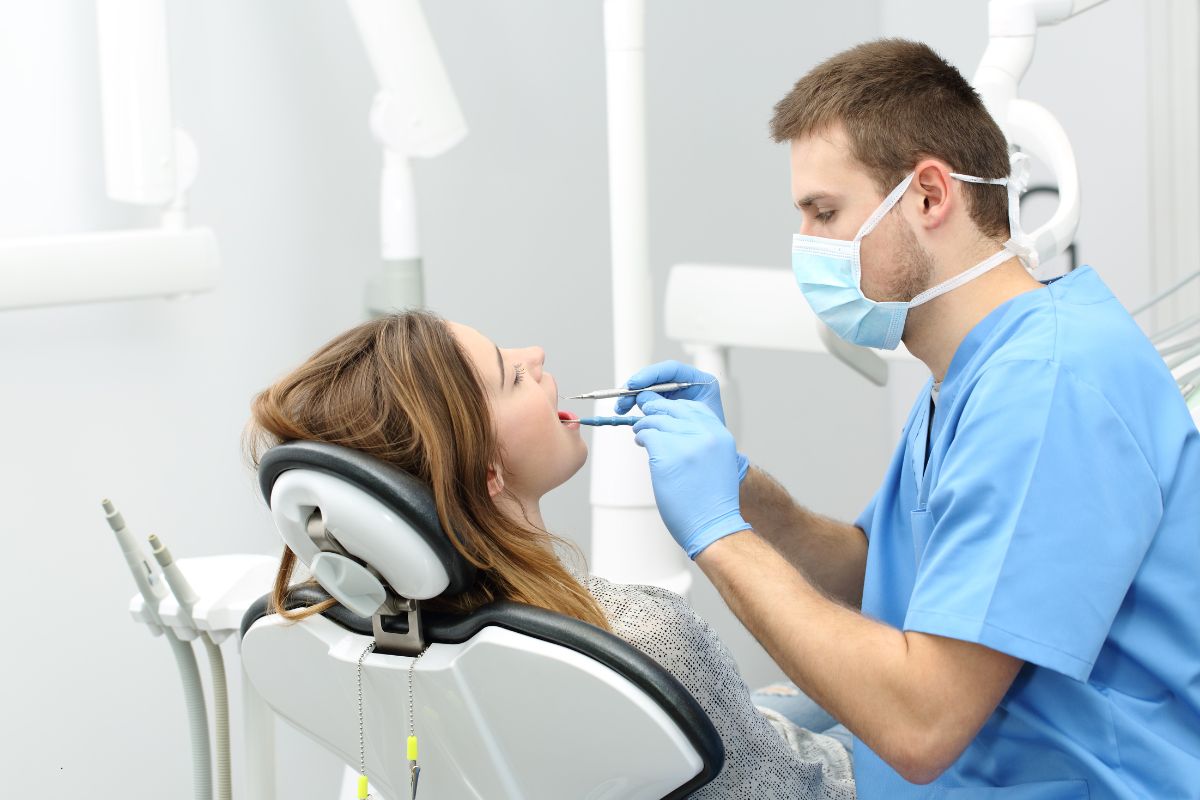
Knowing what typically happens during a dental visit reduces fear of the unknown.
Routine Exams and Cleanings
Most appointments include an oral exam, professional cleaning, and possibly X-rays. Your dentist or hygienist will explain each step as it happens.
Communication During Treatment
Dentists often check in to ensure you’re comfortable. If something feels uncomfortable, speaking up helps improve the experience.
After the Appointment: Next Steps
Preparation doesn’t end when the appointment is over. Following up properly helps maintain good oral health.
Follow Aftercare Instructions
If your dentist provides advice after your visit, follow it carefully to avoid complications and support healing.
Schedule Regular Checkups
Routine dental visits help catch problems early and keep your teeth and gums healthy over the long term.
Final Thoughts: A Complete Approach to Dental Preparation
Knowing how to prepare for a dentist appointment makes a significant difference in your overall experience. From scheduling wisely and organizing information to managing anxiety and understanding what to expect, preparation empowers you to take control of your oral health. By following this complete guide, you can approach your next dental visit feeling calm, confident, and ready to care for your smile.