

Common Myths About Tooth Crowns—Busted!
Dental crowns are one of the most common and effective dental treatments for restoring damaged teeth. Despite their popularity, myths and misconceptions about tooth crowns persist, causing unnecessary fear or hesitation. Understanding the truth behind these myths is essential for making informed decisions about your oral health. In this article, we’ll bust the most common myths about tooth crowns and provide accurate information backed by dental expertise.
What Are Tooth Crowns?
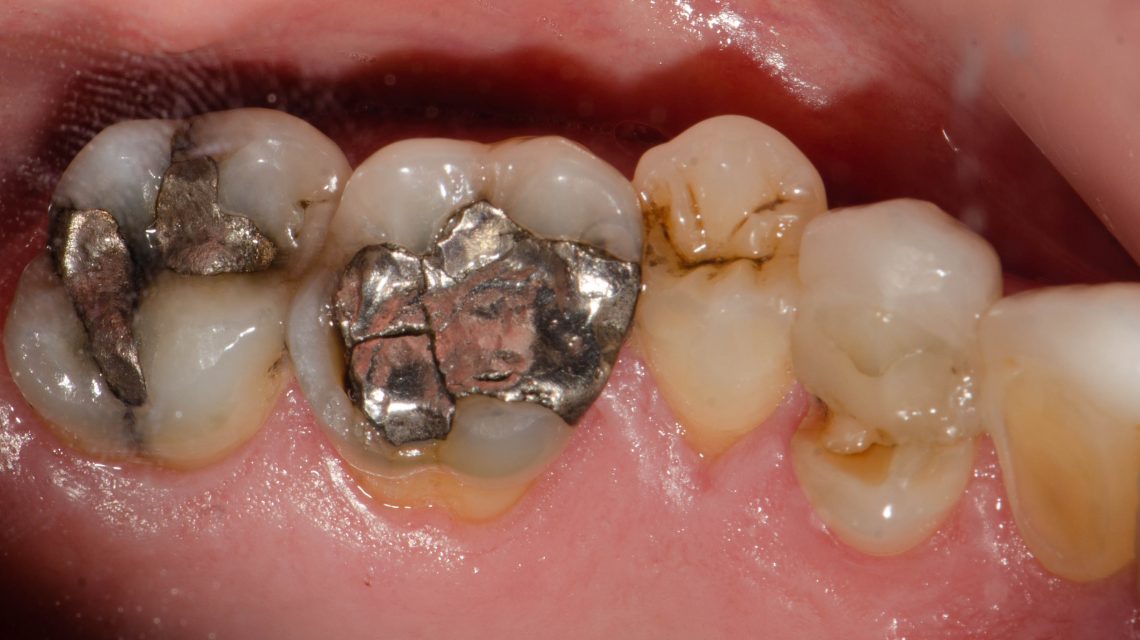
Before debunking the myths, it’s important to understand what a tooth crown is. A dental crown, also known as a cap, is a custom-made covering that encases a damaged or weakened tooth. Crowns restore the tooth’s shape, size, strength, and appearance, protecting it from further damage and allowing normal function. Crowns can be made from various materials, including porcelain, ceramic, metal, porcelain-fused-to-metal (PFM), and zirconia.
Why Tooth Crowns Are Important
Tooth crowns are not purely cosmetic. They serve crucial roles in oral health, such as:
- Protecting weakened or fractured teeth
- Restoring chewing and biting function
- Improving the appearance of discolored or misshapen teeth
- Supporting dental bridges and implants
Myth 1: Tooth Crowns Are Painful
Many people believe that getting a crown is painful. In reality, the procedure is relatively painless due to modern dental anesthesia and techniques.
The Truth
During the crown preparation, your dentist will use local anesthesia to numb the area, making the process comfortable. Some mild sensitivity may occur after the procedure, but this usually resolves within a few days. Advances in dental technology, including digital impressions and precise tools, have further minimized discomfort.
Myth 2: Tooth Crowns Are Only Cosmetic
Some patients think crowns are just for improving the appearance of teeth. While they can enhance aesthetics, crowns primarily serve restorative purposes.
The Truth
Crowns protect damaged, cracked, or decayed teeth from further damage. They restore the tooth’s function, allowing proper chewing and speaking. Cosmetic benefits, such as improving color or shape, are an added advantage rather than the main purpose.
Myth 3: Tooth Crowns Need Frequent Replacement
Many assume that crowns don’t last long and need constant replacement. While crowns do not last forever, they are durable and long-lasting with proper care.
The Truth
Modern dental crowns can last 10–15 years or longer. Factors that affect longevity include oral hygiene, diet, grinding habits, and regular dental check-ups. High-quality materials like zirconia and porcelain-fused-to-metal crowns are particularly durable.
Myth 4: Crowns Damage the Natural Tooth
Some patients worry that placing a crown will harm the underlying tooth or cause decay.
The Truth
While the tooth is shaped to fit a crown, this does not damage it. In fact, the crown protects the tooth from further wear, decay, or fracture. Proper oral hygiene is essential to prevent decay at the margins where the crown meets the natural tooth.
Myth 5: Crowns Are Only for Older Adults
There’s a misconception that crowns are only necessary for older adults with worn-down teeth. However, age is not a determining factor.
The Truth
People of all ages may need crowns if they have damaged, cracked, or decayed teeth. Children and young adults may require crowns after trauma, root canal treatment, or to restore congenital defects. Age does not limit the effectiveness or suitability of crowns.
Myth 6: Metal Crowns Are Ugly and Unnatural
Some patients avoid crowns because they fear they will look unnatural, especially metal crowns.
The Truth
While metal crowns are strong and often used for molars, there are many aesthetic options available. Porcelain, ceramic, and zirconia crowns closely mimic natural tooth color and translucency. These materials provide a durable and natural-looking solution for visible teeth.
Myth 7: Crowns Require Painful Drilling
Fear of drilling is a common reason people delay dental treatment.
The Truth
Tooth preparation for crowns involves minimal drilling and is performed under anesthesia, making it painless. The procedure is designed to preserve as much healthy tooth structure as possible while ensuring a proper fit for the crown.
Myth 8: Crowns Can Get “Loose” Easily
Some people believe crowns frequently loosen or fall off, making them unreliable.
The Truth
Crowns are cemented securely and are highly durable. While crowns can occasionally loosen due to improper fit, trauma, or decay underneath, this is uncommon. Regular dental visits and good oral hygiene significantly reduce this risk. If a crown does loosen, it can be re-cemented without damaging the tooth.
Myth 9: Crowns Are Extremely Expensive
Cost is a concern for many patients, leading them to believe crowns are unaffordable.
The Truth
The cost of a crown depends on the material, location, and complexity. Porcelain crowns typically range from $800–$3,000, while metal or zirconia crowns may vary between $600–$2,500. Insurance often covers crowns when medically necessary, and many dental offices offer financing or payment plans to make treatment accessible.
Benefits of Tooth Crowns
Busting these myths highlights the many benefits of tooth crowns:
1. Protection and Strength
Crowns encase weakened teeth, preventing fractures and further damage.
2. Restores Function
They restore chewing, biting, and speaking abilities, improving overall oral health.
3. Enhances Appearance
Crowns can correct discoloration, shape, and alignment, giving a natural, attractive smile.
4. Long-Lasting Solution
With proper care, crowns are durable and can last over a decade, providing reliable restoration.
Conclusion
Tooth crowns are a safe, effective, and long-lasting solution for damaged, weakened, or cosmetically flawed teeth. Many myths surrounding crowns—such as pain, short lifespan, or purely cosmetic use—are simply not true. Understanding the facts helps patients make informed decisions and maintain optimal oral health. By consulting with a qualified dentist, you can choose the right type of crown and enjoy the benefits of a healthy, functional, and beautiful smile.