

When Do You Really Need a Tooth Crown?
Dental crowns are one of the most common restorative treatments in modern dentistry. They are designed to protect, strengthen, and restore damaged teeth, but not every dental issue requires a crown. Understanding when a tooth crown is truly necessary can save you time, money, and potential complications. This guide explains the signs, benefits, types, and procedure of tooth crowns to help you make an informed decision about your oral health.
What Is a Tooth Crown?
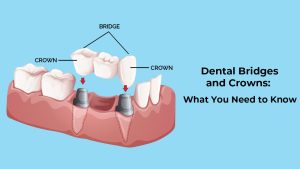
A tooth crown, also known as a dental crown or cap, is a custom-made covering that completely encases a damaged tooth. Crowns restore the tooth’s shape, size, strength, and appearance. They are often recommended after root canal treatments, to protect cracked or weakened teeth, or to replace large fillings that compromise tooth structure.
Why Tooth Crowns Are Important
Dental crowns are not just cosmetic; they play a critical role in maintaining oral health. Crowns are important because they:
- Protect Weakened Teeth: Prevent further damage to cracked or decayed teeth.
- Restore Function: Allow normal chewing, biting, and speaking.
- Improve Appearance: Correct discoloration, misshapen teeth, or uneven bite alignment.
- Support Other Dental Work: Anchor dental bridges or cover dental implants.
Signs You Might Need a Tooth Crown
Not every dental issue requires a crown. Here are the most common situations where a crown is often necessary:
1. Large Cavities or Fillings
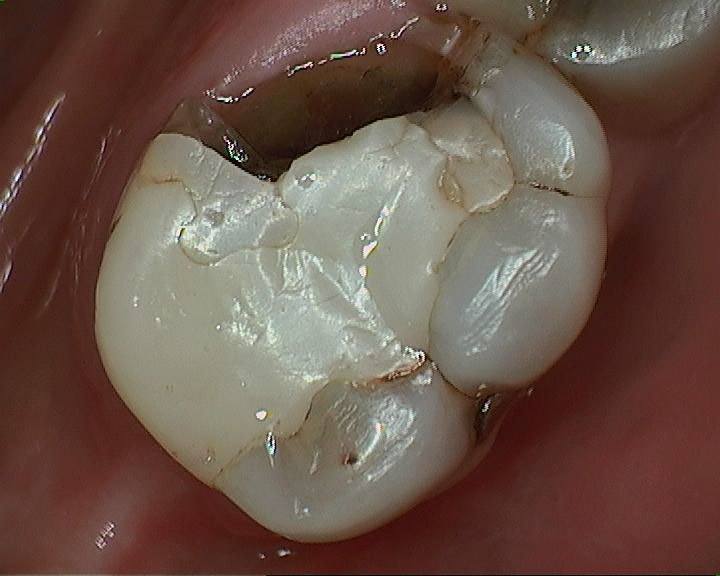
When a tooth has a large cavity or an extensive filling, the remaining tooth structure may be too weak to support normal function. Crowns encase the tooth and prevent it from breaking under pressure.
2. Cracked, Chipped, or Broken Teeth
Teeth that are cracked, chipped, or broken are vulnerable to further damage. Crowns protect the tooth, restore its shape, and prevent pain or sensitivity while chewing.
3. After Root Canal Treatment
Root canal therapy removes infected or damaged pulp from a tooth, leaving it fragile. A crown is typically placed after a root canal to reinforce the tooth and restore full functionality.
4. Worn-Down Teeth
Teeth that are severely worn down due to grinding (bruxism) or acidic erosion may require crowns to restore proper bite alignment and prevent additional wear.
5. Cosmetic Reasons
Sometimes, crowns are needed to improve the appearance of teeth that are severely discolored, misshapen, or misaligned, providing a natural, aesthetically pleasing smile.
Types of Tooth Crowns
Choosing the right crown material depends on durability, location, and aesthetics. Here are the main types:
1. Porcelain Crowns
Porcelain crowns are highly aesthetic and mimic the natural color and translucency of teeth. They are ideal for front teeth but may wear down opposing teeth over time.
2. Ceramic Crowns
Ceramic crowns are metal-free, biocompatible, and highly natural-looking. They are suitable for patients with sensitive gums or allergies.
3. Metal Crowns
Metal crowns, including gold or alloy crowns, are extremely durable and resistant to wear. They are ideal for molars that endure heavy chewing forces but are less visually appealing.
4. Porcelain-Fused-to-Metal (PFM) Crowns
PFM crowns combine the strength of metal with the aesthetic appeal of porcelain. They are durable and blend reasonably well with natural teeth, though a dark line may appear at the gum line.
5. Zirconia Crowns
Zirconia crowns are a modern, metal-free option offering both strength and beauty. They are suitable for front and back teeth and are highly durable.
The Tooth Crown Procedure
The process of getting a dental crown generally requires two dental visits. Understanding each step can make the procedure less intimidating.
Step 1: Consultation and Examination
Your dentist will examine your tooth, take X-rays, and discuss the best material for your crown. The dentist will also determine whether a crown is truly necessary based on tooth damage and function.
Step 2: Tooth Preparation
The dentist removes damaged areas of the tooth and reshapes it to fit the crown. Local anesthesia is applied to reduce discomfort during this process.
Step 3: Impressions and Temporary Crown
Impressions of your prepared tooth are taken and sent to a dental lab to create a custom crown. A temporary crown is placed to protect the tooth and allow normal function while waiting for the permanent crown.
Step 4: Permanent Crown Placement
Once the permanent crown is ready, the temporary crown is removed. The dentist adjusts the crown for bite alignment and comfort before cementing it in place permanently.
Benefits of Getting a Tooth Crown
Dental crowns offer multiple advantages that protect your teeth, restore function, and improve appearance:
1. Protects and Strengthens Teeth
Crowns provide a protective shield for weak or damaged teeth, preventing further decay or fractures.
2. Restores Functionality
Damaged teeth can affect chewing and speaking. Crowns restore normal tooth function and distribute bite forces evenly.
3. Improves Aesthetics
Crowns enhance the appearance of teeth by correcting discoloration, shape, or alignment issues, giving you a confident smile.
4. Long-Term Durability
High-quality crowns can last 10–15 years or more with proper care, making them a reliable long-term solution.
Aftercare for Tooth Crowns
Proper care ensures the longevity of your crown. Follow these tips for best results:
- Brush and floss regularly to prevent decay around the crown.
- Avoid chewing hard foods like ice or hard candy on the crowned tooth.
- Wear a nightguard if you grind your teeth.
- Visit your dentist regularly for check-ups and professional cleaning.
- Report any pain, looseness, or discomfort immediately to your dentist.
Cost of Tooth Crowns
The cost of dental crowns varies depending on material, complexity, and location:
- Porcelain Crowns: $800–$3,000 per tooth
- Metal Crowns: $600–$2,500 per tooth
- PFM Crowns: $1,000–$3,000 per tooth
- Zirconia Crowns: $1,000–$2,500 per tooth
Insurance may cover part of the cost if the crown is medically necessary. Many dental offices also offer financing options to make treatment more affordable.
Conclusion
Knowing when you really need a tooth crown is crucial for protecting your oral health, restoring function, and maintaining a confident smile. Crowns are necessary for weakened, cracked, decayed, or cosmetically flawed teeth, and they provide long-lasting protection and aesthetic benefits. Consulting with a qualified dentist ensures that you choose the right type of crown for your needs and achieve optimal results. With proper care, a tooth crown can save your tooth and provide a durable, beautiful smile for years to come.