

The Importance of Regular Dental Cleanings and Checkups
Maintaining good oral health is essential for overall well-being, yet many people underestimate the importance of routine dental visits. Regular dental cleanings and checkups are crucial not only for a sparkling smile but also for preventing serious health issues. In this article, we will explore why these appointments matter, what they involve, and how they benefit your long-term dental and overall health.
What Are Dental Cleanings and Checkups?
Dental cleanings and checkups are routine procedures performed by dentists and dental hygienists to ensure your teeth and gums remain healthy. While they are often grouped together, each serves a distinct purpose.
Professional Dental Cleanings
During a professional cleaning, a dental hygienist removes plaque and tartar buildup that regular brushing and flossing cannot reach. This process helps prevent cavities, gum disease, and tooth decay. Cleanings often include polishing the teeth to remove surface stains, leaving your smile brighter and healthier.
Dental Checkups
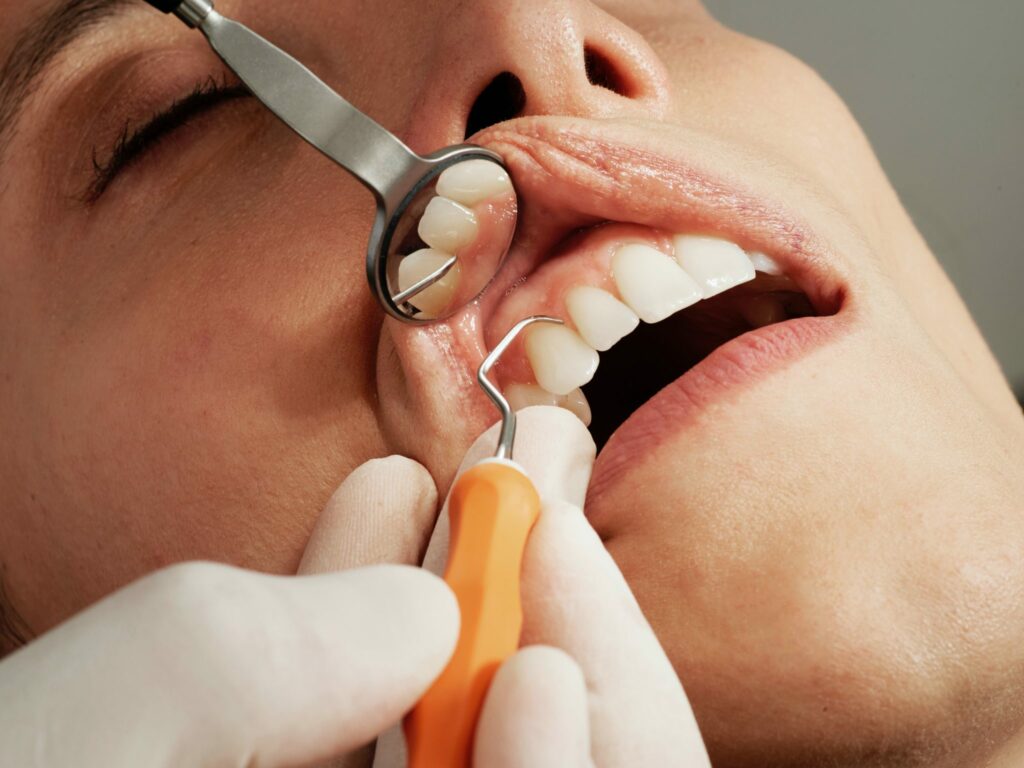
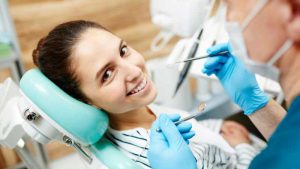
Checkups involve a comprehensive examination of your oral cavity. The dentist inspects your teeth, gums, and mouth for signs of cavities, gum disease, oral cancer, and other dental issues. X-rays may be taken to detect problems beneath the surface, such as impacted teeth or jawbone deterioration.
Why Regular Dental Cleanings and Checkups Are Essential
Skipping dental visits might seem convenient, but it can lead to more significant problems over time. Here’s why regular cleanings and checkups are critical:
1. Prevention of Cavities and Tooth Decay
Even with diligent brushing and flossing, plaque can accumulate in hard-to-reach areas. Plaque, when left untreated, hardens into tartar, which contributes to tooth decay. Professional cleanings remove plaque and tartar, significantly reducing the risk of cavities and maintaining healthy teeth.
2. Early Detection of Gum Disease
Gum disease (gingivitis or periodontitis) often develops silently, with minimal symptoms in its early stages. During routine checkups, your dentist can identify early signs of gum inflammation, bleeding, or recession. Early detection allows for effective treatment before the condition progresses to severe stages, which can lead to tooth loss.
3. Detection of Oral Cancer and Other Health Conditions
Oral cancer is a serious condition that can be life-threatening if detected late. Regular dental exams include screenings for abnormal growths, sores, or discoloration in the mouth. Dentists can also identify symptoms linked to systemic health conditions such as diabetes, heart disease, and vitamin deficiencies, highlighting the connection between oral health and overall health.
Benefits of Maintaining a Routine Dental Schedule
Adopting a routine of dental cleanings and checkups offers several long-term advantages for your oral and general health.
1. Fresher Breath
Bad breath is often caused by the accumulation of bacteria in the mouth. Professional cleanings remove these bacteria, plaque, and tartar, ensuring your breath stays fresh. Regular dental visits can also identify underlying issues that may contribute to persistent bad breath.
2. Whiter, Healthier Teeth
Over time, teeth can become stained from coffee, tea, red wine, and smoking. During a dental cleaning, surface stains are removed, leaving teeth looking brighter and healthier. Routine maintenance helps prevent discoloration and enhances your smile.
3. Cost Savings on Dental Treatments
Preventive care is far less expensive than treating advanced dental issues. By attending regular cleanings and checkups, you reduce the likelihood of needing fillings, root canals, or tooth extractions. Investing in prevention now can save you significant dental costs in the future.
4. Improved Overall Health
Research shows a strong connection between oral health and systemic health. Poor oral hygiene has been linked to cardiovascular disease, diabetes, respiratory infections, and pregnancy complications. Regular dental care helps reduce inflammation, bacterial buildup, and potential health risks associated with poor oral hygiene.
How Often Should You Visit the Dentist?
The general recommendation is to visit the dentist every six months for a cleaning and checkup. However, individual needs may vary based on factors such as age, oral health status, and medical conditions. Your dentist can provide a personalized schedule to ensure optimal care.
High-Risk Individuals
People with diabetes, a history of gum disease, or a tendency to develop cavities may require more frequent visits. Smokers and pregnant women are also considered higher risk and should adhere to a strict dental checkup routine.
Signs You Should Not Wait
If you notice bleeding gums, tooth sensitivity, persistent bad breath, or any unusual changes in your mouth, schedule an appointment immediately. Early intervention can prevent minor issues from becoming serious problems.
Tips for Maximizing Your Dental Visits
To get the most out of your dental cleanings and checkups, consider the following tips:
Maintain Good Daily Oral Hygiene
Brush your teeth at least twice a day and floss daily. Using fluoride toothpaste and an antiseptic mouthwash can also help reduce plaque and bacteria buildup between visits.
Communicate With Your Dentist
Discuss any concerns, symptoms, or changes in your oral health with your dentist. Open communication allows your dental professional to tailor treatments and advice to your needs.
Follow Professional Recommendations
Follow your dentist’s advice regarding treatments, cleanings, and lifestyle changes. Consistency in preventive care ensures long-lasting dental health.
Conclusion
Regular dental cleanings and checkups are a cornerstone of maintaining excellent oral health. They prevent cavities, detect gum disease early, screen for oral cancer, and contribute to your overall health. By scheduling routine dental visits every six months and practicing good daily oral hygiene, you can enjoy a brighter, healthier smile and potentially prevent more serious health issues in the future.
Don’t wait until a problem arises—prioritize your oral health today by making regular dental cleanings and checkups a key part of your healthcare routine.