

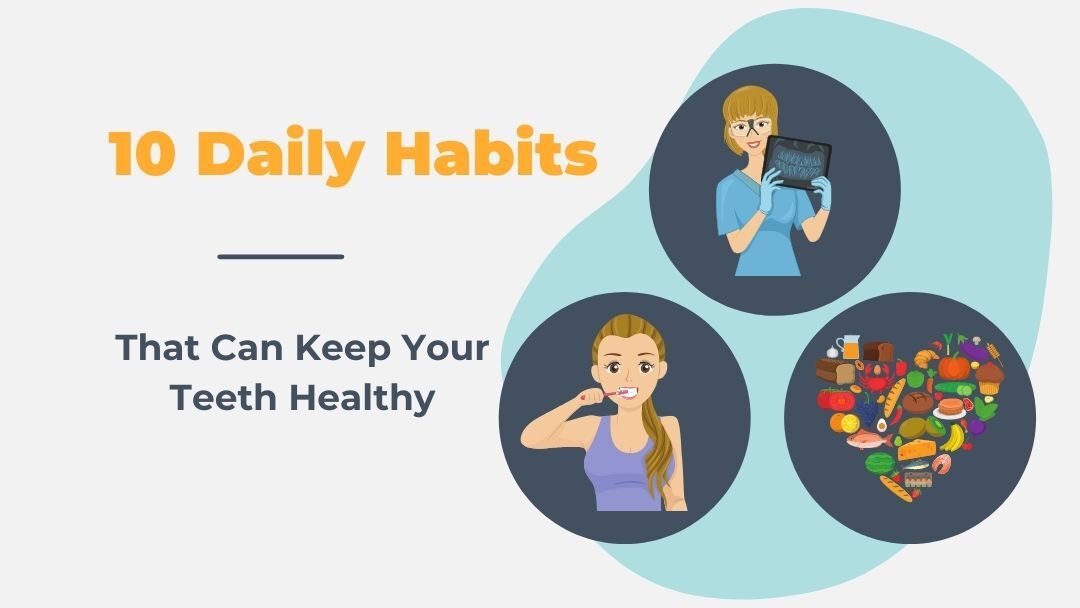
5 Daily Habits That Can Improve Your Oral Health
Good oral health is more than just a bright smile; it’s essential for overall health and well-being. Poor dental hygiene can lead to cavities, gum disease, bad breath, and even impact your heart health. Fortunately, improving your oral health doesn’t require drastic measures—it often comes down to cultivating simple, daily habits. In this article, we’ll explore five daily habits that can significantly enhance your oral health and keep your teeth and gums in top condition.
1. Brush Your Teeth Properly Twice a Day
Brushing your teeth is the cornerstone of oral hygiene. However, many people either brush too quickly, use improper techniques, or skip brushing altogether. For optimal results, aim to brush your teeth twice a day—once in the morning and once before bed.
Choose the Right Toothbrush and Toothpaste
Select a toothbrush with soft bristles to avoid damaging your gums. Electric toothbrushes can be more effective at removing plaque than manual ones. Additionally, use a fluoride toothpaste to strengthen enamel and prevent cavities.
Proper Brushing Technique
Use gentle, circular motions to brush all surfaces of your teeth, including the outer, inner, and chewing surfaces. Don’t forget to brush your tongue, as it can harbor bacteria that cause bad breath. Each brushing session should last at least two minutes for thorough cleaning.
2. Floss Daily to Remove Hidden Plaque
Even with regular brushing, plaque can build up between teeth where your toothbrush can’t reach. Flossing is essential for removing this hidden plaque and preventing gum disease.
Correct Flossing Technique
Use about 18 inches of dental floss, winding most of it around your middle fingers and leaving a few inches to work with. Slide the floss gently between each tooth, curving it around the base of each tooth and moving it up and down to remove plaque. Avoid snapping the floss into your gums, as this can cause damage.
Benefits of Daily Flossing
Flossing helps prevent gum inflammation, reduces the risk of cavities between teeth, and contributes to fresher breath. Over time, daily flossing strengthens your gum tissue and reduces the likelihood of gum disease.
3. Maintain a Balanced Diet for Healthy Teeth
Your diet plays a significant role in oral health. Sugary and acidic foods can erode enamel and contribute to cavities, while nutrient-rich foods support strong teeth and healthy gums.
Foods to Include
- Dairy products: Milk, cheese, and yogurt provide calcium and phosphates, which strengthen enamel.
- Fruits and vegetables: Crunchy fruits like apples and vegetables like carrots naturally clean teeth and stimulate saliva production.
- Lean proteins: Foods like chicken, eggs, and fish supply essential nutrients for healthy gums.
Foods to Limit
Avoid excessive sugar, sticky candies, and acidic drinks like soda and citrus juices, which can accelerate enamel erosion and increase the risk of cavities. Moderation is key, and rinsing your mouth with water after consuming sugary or acidic foods can help protect your teeth.
4. Stay Hydrated and Rinse Your Mouth
Water is one of the simplest yet most effective tools for maintaining oral health. Staying hydrated helps produce saliva, which neutralizes acids in the mouth, washes away food particles, and protects against tooth decay.
The Importance of Saliva
Saliva is your natural defense against cavities and gum disease. It helps remineralize enamel and reduces bacteria buildup. Dehydration can decrease saliva production, making your teeth more vulnerable to decay.
Rinse After Meals
Rinsing your mouth with water after eating or drinking can help wash away leftover food particles and reduce the acidity that leads to enamel erosion. If brushing isn’t possible immediately, a quick rinse is a good preventive measure.
5. Avoid Harmful Habits and Practice Regular Dental Checkups
Certain habits can damage your teeth over time, while regular dental visits help prevent problems before they become serious. Combining good daily habits with professional care ensures long-term oral health.
Habits to Avoid
- Smoking and tobacco use: These increase the risk of gum disease, tooth decay, and oral cancer.
- Chewing hard objects: Avoid chewing ice, pens, or hard candies to prevent cracked teeth.
- Excessive sugary snacks: Limit snacking between meals to reduce acid attacks on enamel.
Importance of Regular Dental Visits
Visit your dentist every six months for a checkup and professional cleaning. Early detection of cavities, gum disease, or other oral issues allows for more effective treatment. Dentists can also provide personalized advice on brushing, flossing, and diet tailored to your specific needs.
Conclusion
Improving your oral health doesn’t have to be complicated. By incorporating these five daily habits—brushing properly, flossing, maintaining a balanced diet, staying hydrated, and avoiding harmful habits while visiting your dentist regularly—you can significantly enhance your dental hygiene and maintain a healthy, confident smile. Consistency is key: small, daily actions lead to long-term benefits for your teeth, gums, and overall health.
Start today and make these habits part of your routine to enjoy a lifetime of healthy smiles!